chondrodysplasia AKA Chondro
Chondrodysplasia, a genetic condition causing a form of dwarfism in cattle, presents both unique challenges and opportunities in breeding. Embraced at our ranch, this condition is guided by thorough research and an in-depth understanding of its genetics, enhancing our breeding program.
Cattle affected by chondrodysplasia are easily recognizable with their shorter legs and compact bodies, traits that are appealing for specific breeding goals and add unique characteristics to herds. These cattle adapt well to different environments, which piques the interest of breeders aiming to diversify their stock.
Our decision to include chondrodysplasia in our breeding efforts stems from careful research and a solid grasp of the genetics involved. This knowledge enables us to manage our herd efficiently, maintaining their health and vitality, and to ensure transparency for potential buyers about the genetics and health of the cattle they consider adding to their herds.
For those interested in breeding these animals, understanding the genetics of chondrodysplasia is crucial. It helps in making informed decisions that prioritize the health, welfare, and sustainability of the herd. We encourage prospective buyers to educate themselves thoroughly about the condition before making breeding decisions.
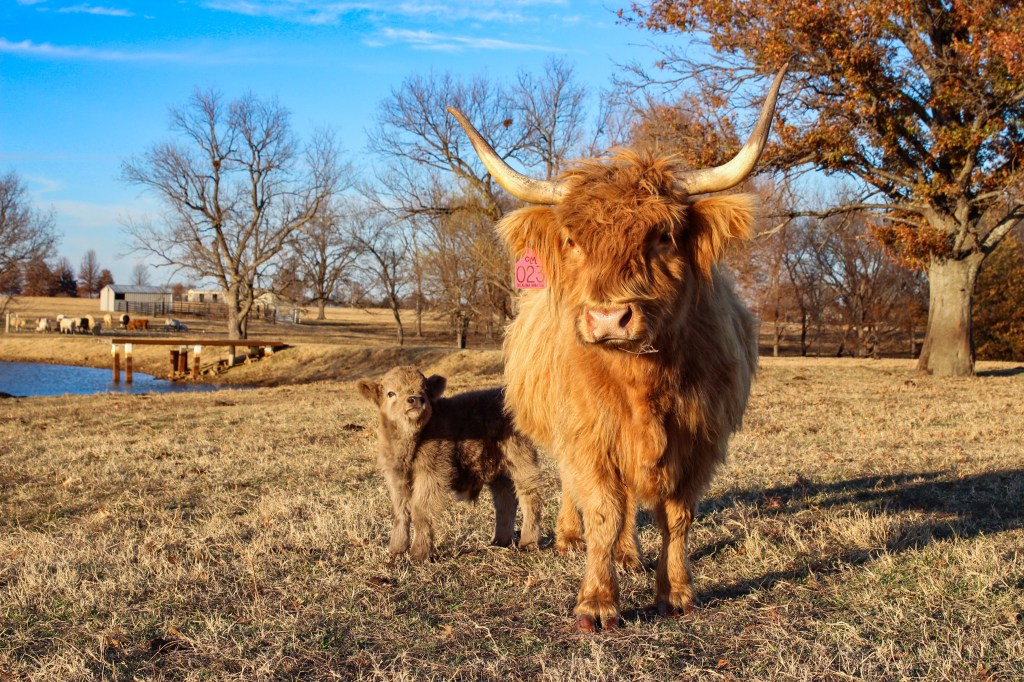
The bull calf in the picture to the right is an example of chondro-positive calf.
Mini, Mid and Standard Explained
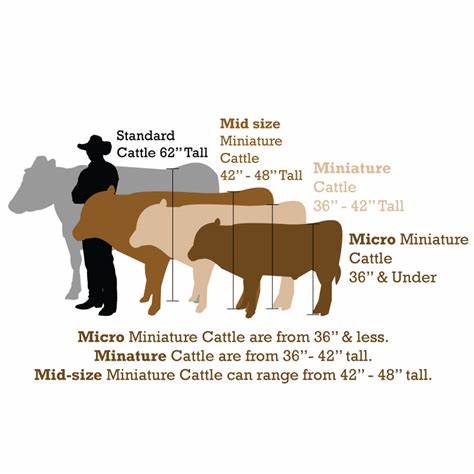
In the delightful world of miniature cattle, our ranch is home to three sizes: mid, mini, and micro, each recognized by the International Miniature Cattle Breeders Society and Registry. We’re constantly learning about these charming creatures, blending science with intuition in their breeding, given their crossbred nature and the unpredictability it brings.
Measuring these small cattle is quite the task, requiring precise positioning to ensure accuracy, with most measurements taken from the hip bone. For those curious about growth, charts are available to predict the height of calves from as young as 6 months, though they usually reach full height by age three, with possible slight growth thereafter.
For enthusiasts eager to delve deeper, resources such as the Miniature Cattle Growth and Standards guide, the International Miniature Cattle Breeds Registry, and the North American Breeds of Miniature Cattle directory are invaluable. These resources offer insights into measurement techniques, breed information, and a glimpse into the diversity of miniature cattle, enriching both novice and experienced breeders alike.
Unlocking Color Genetics
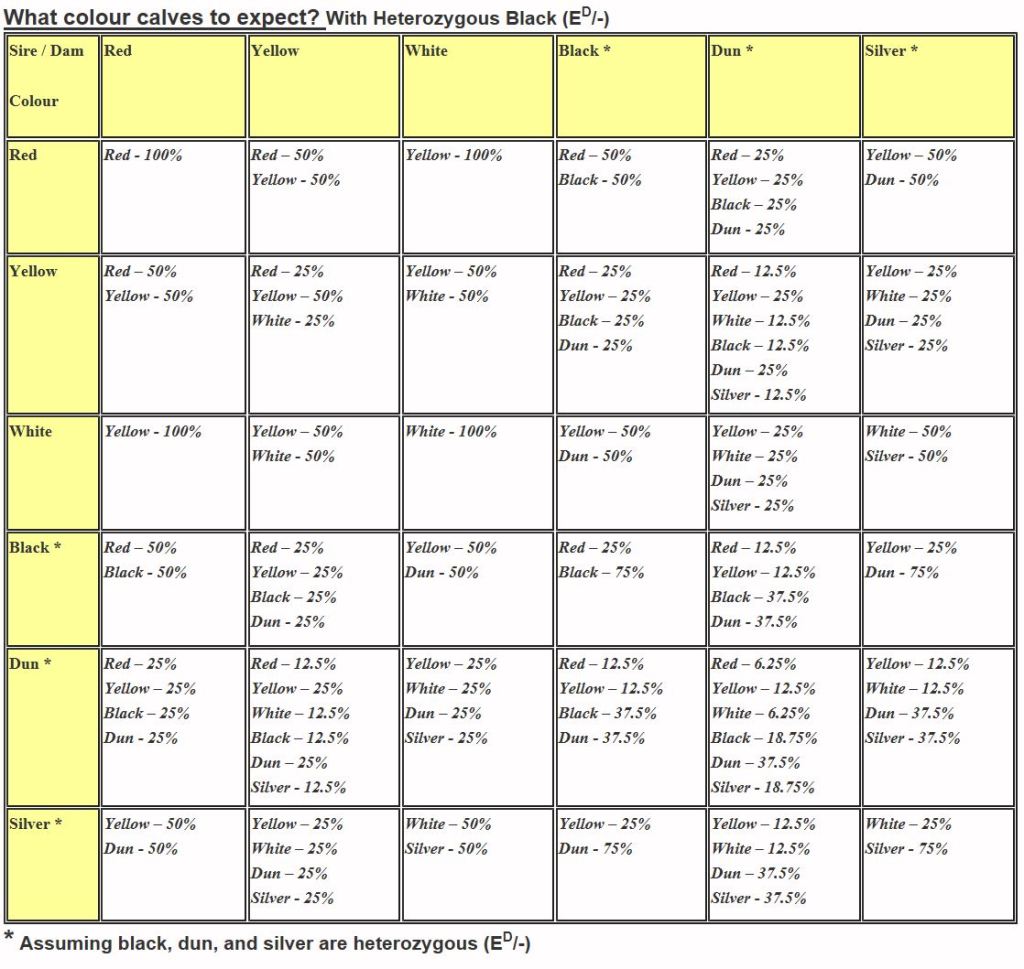
This color chart is an indispensable tool for breeders looking to understand the coat color possibilities in calves from Highland cattle pairings. The chart is meticulously designed to show the genetic outcomes, aiding breeders in making well-informed decisions about which animals to mate.
It’s crucial to recognize that this guide is specifically crafted for Highland cattle and does not apply to crossbreeding scenarios with Highparks or Highdex cattle. For pure Highland mating, the chart offers a detailed look at color inheritance. However, breeders considering crossbreeds should be aware that mixing with Highparks or Highdex might result in a wider array of coat colors, which are not covered by this chart. For these cases, additional genetic considerations are necessary to predict the coat colors of the offspring accurately.
Highland Cattle Crossbreeds
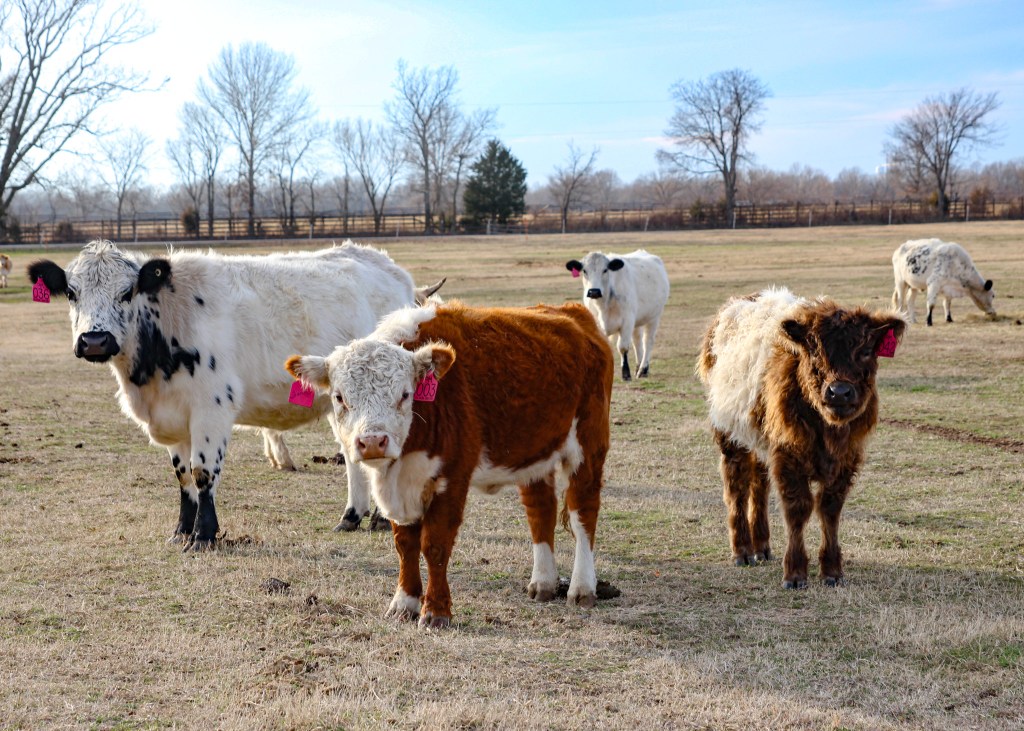
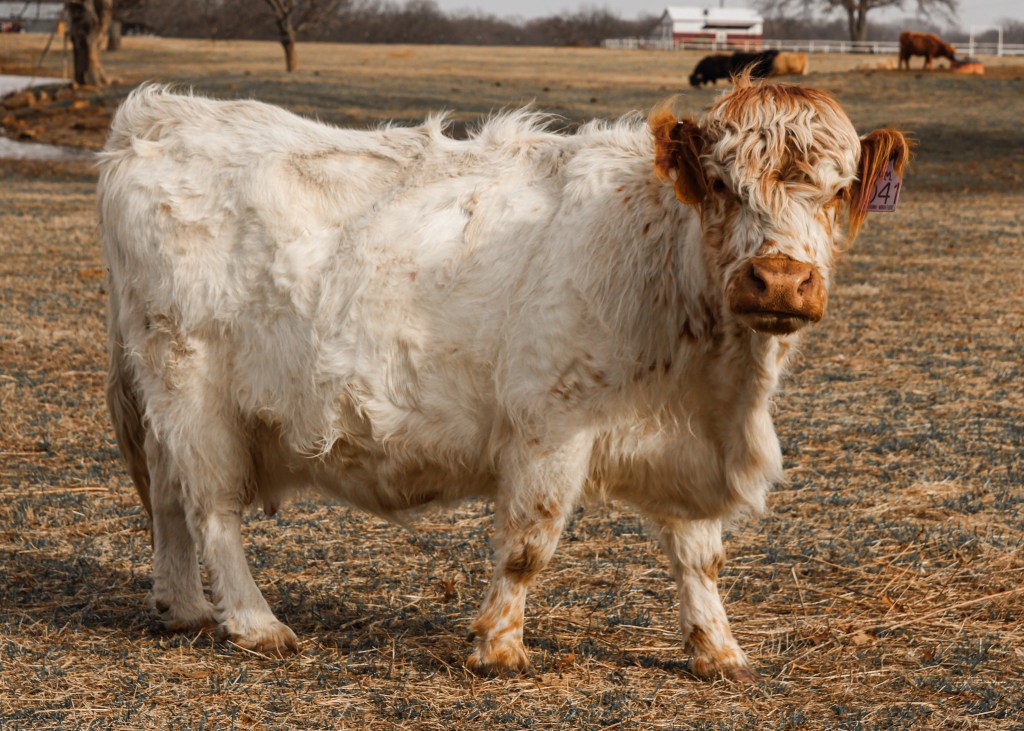
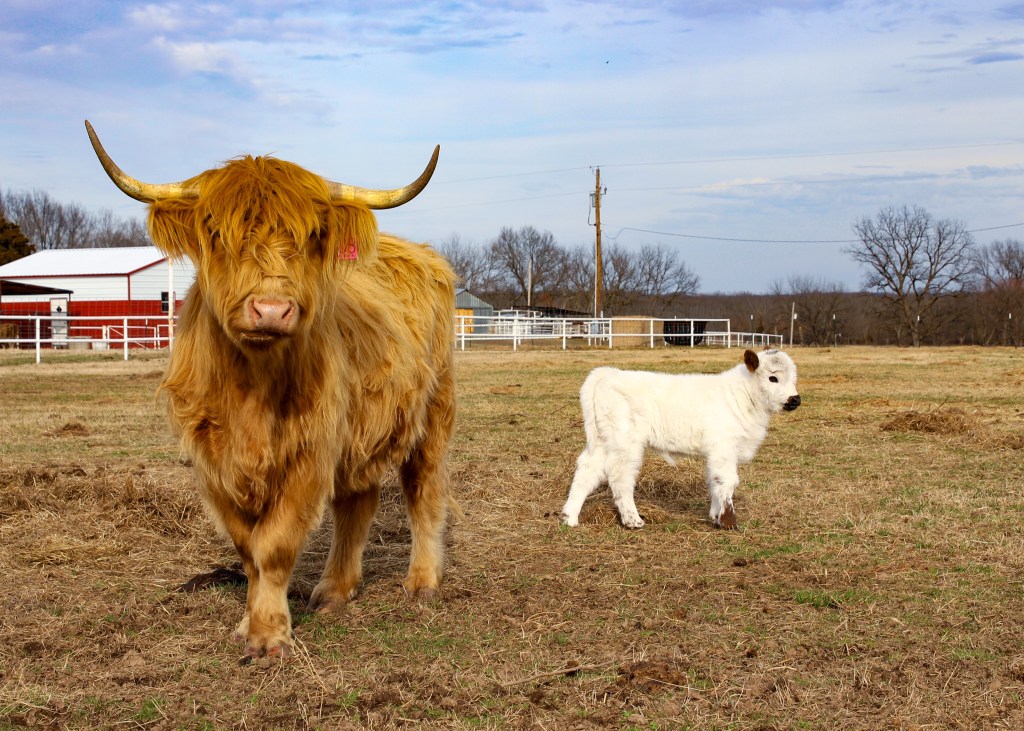
Highpark Cattle: The Highpark is a fascinating cross between Highland cattle with White Park or Bristish White cattle. This mix accentuates the distinctive long hair and horns of the Highland while introducing the unique color patterns of the White Park/British White—typically white with colored points. Highparks inherit the hardiness of both breeds, making them excellent for conservation grazing due to their ability to manage rough terrain and improve biodiversity. They are also celebrated for their striking appearance and gentle temperament, making them a favorite among breeders seeking aesthetic appeal along with grazing utility.
Highland Galloway: Crossing Highland cattle with Galloway cattle produces the Highland Galloway, a breed that encapsulates the best traits of both parents. These cattle are renowned for their resilience and superior meat quality, with a coat that is thick and well-suited for colder climates. The blend of Highland’s majestic appearance and Galloway’s beef qualities creates a breed that not only stands out in pastures but also excels in producing high-quality, lean meat, making them a coveted choice for both breeders and meat producers.
HighBelt Highland: The HighBelt Highland emerges from the crossbreeding of Highland cattle with Belted Galloway. This cross aims to combine the visual appeal of the Belted Galloway’s distinct white belt with the rugged, long-haired charm of the Highland. The offspring typically exhibit excellent foraging capabilities and resilience in harsh weather conditions, traits inherited from both parent breeds. This cross not only enhances the landscape but also offers a unique aesthetic appeal while maintaining the meat quality and toughness of the parent stock.
Hereford-Highland Cross: The Hereford-Highland cross combines the robustness of Highland cattle with the meat quality and docility of Herefords. This hybrid benefits from the Highland’s adaptability to cold climates and the Hereford’s efficient growth rates. They often display a mix of coat colors, from Hereford red to Highland black and brindle. Ideal for varied environments, this cross is favored for its easy management and quality beef production, making it a versatile choice for both small farms and larger operations.
Highdex Cattle: Highdex cattle result from crossing Highland cattle with Dexter cattle, combining the robustness of Highlands with the smaller size and efficient meat production of Dexters. This crossbreed often yields animals that are hardy and adaptable, with the potential for a variety of coat colors ranging from the traditional reds of Highlands to the black and dun shades typical of Dexters. Highdex cattle are particularly valued for their ability to thrive in various climates while maintaining a smaller stature, making them ideal for smaller farms or for those seeking to maximize their land use.
Top Image from left to right: British White, Hereford-Highland cross, and Belted Galloway-Highland cross.
Middle Image: The genetic history of Trixie is mostly unknown, but she predominantly consists of Hereford-Highland genetics.
Bottom Image: A full-blood Highland cow was bred with a Highpark bull, resulting in a calf with red-tipped Highpark characteristics.

